

Trauma is everywhere. Trauma is also a big word used often. But why? Every person you know has a form of trauma in their history. While some people cope well or have built-in resources to adapt to their trauma, others have little to know support. They may not even recognize trauma exists. Training Collaborative helps you identify trauma, understand triggers, find your resources and adapt your interactions with the client to support their healing. And while it is important to understand their trauma, it is equally important to understand your own. Many professionals accidentally trigger trauma responses in themselves and others or misunderstand client/patient responses. This results in unsuccessful cases and more trauma being caused. Do you understand your role in trauma?
Lindsey’s Professional Trauma Experience
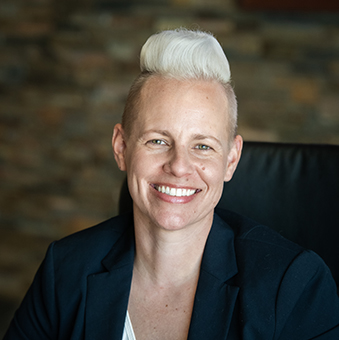
Lindsey has a passion for therapeutic work with people experiencing or learning about trauma. Lindsey received her Bachelor’s degree from the University of Wisconsin – La Crosse in Therapeutic Recreation with a minor in Psychology. She received her Master of Social Work degree from the University of Denver and completed her clinical licensure in 2012. Lindsey has been qualified as an expert witness in Social Work, Child Protection and Clients with Disabilities, Therapeutic Parenting Time, Domestic Violence Evaluations, and Disabilities.
Lindsey’s twenty-three (23) years of professional experience working in and around supporting trauma-informed and trauma-sensitive best practices include.
Jessica’s Professional Trauma Experience
Jessica holds a teaching license and a MA in Forensic Psychology. She has been called as an expert witness in child welfare, domestic violence and mental health. Having worked in criminal justice, child welfare and advocacy for almost 15 years, Jessica has a thorough understanding of trauma and the ways it shows up for clients and patients. Jessica will train you on how to understand your own trauma, on trauma within domestic violence, on systemic trauma, generational trauma and more.es.
Individuals with disabilities are all around us. Many disabilities are hidden, while others can be more obvious. Individuals and clients may or may not know they have a disability. Understanding how to identify that a disability may be present and how to work with person-specific learning strengths is key to being able to provide the right resources and support leading to successful treatment and case outcomes.
Lindsey’s Professional Disabilities Experience
Lindsey has a passion for therapeutic work with people with disabilities, different abilities, slower learners, those identified as difficult to serve or clients not making progress with previous providers.


Domestic violence is a pervasive issue in our society. Most professionals have experienced a case they felt helpless on, a victim not ready to leave, a seemingly untreatable offender, a family forevery impacted by power and control. Traingin Collaborative dives deeper into knowledge on intimate partner violence to go beyone simple recognition of its exestence. You have come to the right place. Here you will learn how to recognize power and control dynamics, where to find resources, how to work with and get reatment for the person causing them (even without a charge), how to empoer survivors and more.
Lindsey’s Professional Domestic Violence Experience
Lindsey developed a budding interest for therapeutic work with domestic violence offenders in 2014 when she recognized that her clients with (various) disabilities were receiving unsuccessful discharges from DV treatment programs with other agencies resulting in, at times, reincarceration. Cut to 2017 when the intensive and formal journey to become a DV treatment provider began. Shortly thereafter, Lindsey presented at the Colorado DVSOMB Conferences in 2019 and 2022 addressing inequities, education, and teaching approaches for professionals working with offending individuals.
Jessica’s Professional Domestic Violence Experience
While working as an elementary school teacher, Jessica found her passion for serving families. She completed her MA in Forensic Psychology and worked her way into child welfare, criminal justice and advocacy. A survivor herself, she found a way to advocate for victims of domestic violence in any role she took on. She has worked with offenders and victims. Now Jessica not only serves on the Domestic Violence Offender Management Board, but she chairs the Victim Advocacy Committee. She has testified as an expert witness in domestic violence, child welfare and mental health and serves on committees and task forces across Colorado to be a part in impacting policy change to better support victims. She will teach you about survivor empowerment, impact on children, how to avoid, identify and correct victim-blaming language and victim-heavy case planning, and how to be most effective in serving families experiencing intimate partner violence.
For more extensive programs, please request a special plan via a contact page.